Why Lamb Is Better Suited for One-Pan, Flavor-Layered Meals Than Most Proteins
Efficiency in cooking often comes down to how well ingredients work together in a single space, and Superior Farms lamb stands out because it naturally integrates into one-pan, flavor-layered meals where ingredients build on each other rather than competing or remaining separate. In contrast to proteins that require careful separation of steps, lamb allows flavors to develop collectively, making it highly effective for cohesive, one-pan cooking.
This is not just about convenience; it is about how flavor is constructed.
What Defines a One-Pan, Flavor-Layered Meal
One-pan meals are often considered simple, but the best versions rely on intentional layering. Ingredients are added in stages, each contributing to the overall flavor profile.
This process typically involves:
- Building a base with aromatics like garlic, onions, or spices
- Introducing protein at the right stage to absorb flavor
- Adding vegetables or grains that cook alongside the meat
- Allowing everything to finish together in a unified dish
The success of this method depends heavily on how the protein behaves.
Why Lamb Integrates Instead of Separates
Many proteins require careful handling to prevent flavor imbalance. Lamb behaves differently. It does not sit on top of a dish; it becomes part of it.
This is because
- Its natural richness blends with surrounding ingredients
- It releases fat gradually, distributing flavor across the pan
- It absorbs spices and aromatics as they develop
- It maintains presence without overpowering
This integration is what makes lamb ideal for layered cooking.
The Role of Fat in One-Pan Cooking
Fat is essential in one-pan meals because it acts as a medium that carries flavor throughout the dish. Lamb’s fat content supports this process effectively.
As it cooks, it:
- Coats other ingredients, enhancing their taste
- Helps spices bloom and release their full aroma
- Prevents dryness in vegetables or grains
- Creates a unified flavor base
This eliminates the need for multiple cooking vessels or added complexity.
Recipe Spotlight: One-Pan Lamb and Vegetable Roast
(recipe from americanlamb.com)
A straightforward example of how lamb supports layered cooking.
Why it works:
- Vegetables absorb rendered fat during roasting
- Seasoning spreads evenly across all components
- Everything cooks together without losing structure
- Minimal steps produce a cohesive result
This dish highlights how flavor develops naturally in a shared environment.
How Lamb Supports Sequential Cooking
Layered meals rely on timing. Ingredients are not added all at once; they are introduced based on how they cook.
Lamb adapts well to this approach because
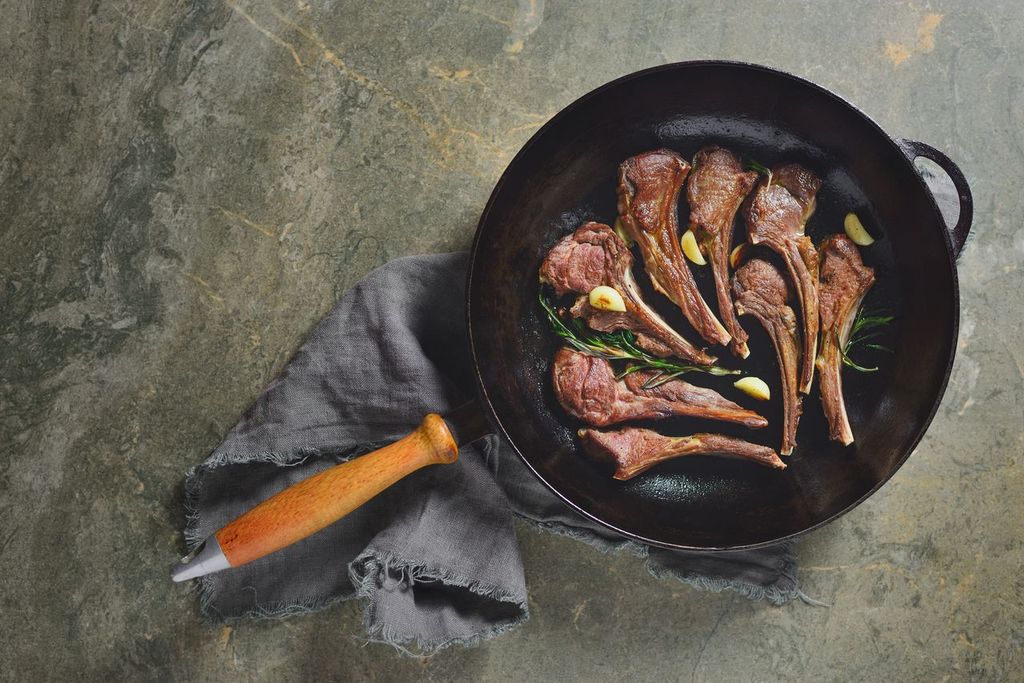
- It can be seared first to build a flavor base
- It continues to cook alongside other ingredients without degrading
- It enhances the pan rather than requiring removal
- It retains texture even as flavors deepen
This flexibility simplifies execution.
Ground Lamb as a One-Pan Foundation
Ground lamb is particularly effective in one-pan meals because it distributes evenly and cooks quickly.
It allows for:
- Immediate integration with spices and aromatics
- Even flavor distribution across the dish
- Quick layering without additional steps
- Versatility across different cuisines
This makes it ideal for efficient cooking.
Recipe Spotlight: One-Pan Spiced Lamb and Rice
(recipe from americanlamb.com)
A layered dish where each component contributes to the final flavor.
Key strengths:
- Rice absorbs both liquid and seasoning from the lamb
- Spices develop as they cook with the protein
- The entire dish forms in a single pan
- Balanced texture and flavor without extra effort
It demonstrates how lamb anchors the entire meal.
Why Other Proteins Struggle in This Format
Not all proteins perform well in one-pan cooking. Some require separation to maintain quality.
Common challenges with other proteins:
- Chicken often releases excess moisture, diluting flavor
- Lean meats can dry out before other ingredients are ready
- Certain cuts require different cooking times that disrupt layering
- Neutral flavors fail to enhance surrounding ingredients
Lamb avoids these issues by contributing to the dish rather than complicating it.
The Importance of Flavor Continuity
One of the defining features of a successful one-pan meal is continuity; every bite should reflect the same depth of flavor.
Lamb supports this by:
- Blending with spices rather than resisting them
- Enhancing the base instead of sitting apart
- Maintaining consistency across the dish
- Creating a unified taste experience
This continuity is difficult to achieve with less adaptable proteins.
Recipe Spotlight: One-Pan Lamb and Chickpea Skillet
(recipe from americanlamb.com)
A dish that relies on layering rather than complexity.
Why it succeeds:
- Chickpeas absorb flavor from the lamb and spices
- The pan retains all rendered juices and seasoning
- Minimal ingredients still produce depth
- Cooking remains efficient and controlled
It shows how simplicity and layering work together.
Reducing Cleanup Without Reducing Quality
One-pan meals are often associated with convenience, but they also improve efficiency without compromising results.
Benefits include:
- Fewer dishes and less cleanup
- More controlled cooking environment
- Better retention of flavor within the pan
- Simplified process without sacrificing depth
Lamb enhances these advantages by making each step more effective.
Why One-Pan Cooking Fits Modern Kitchens
Cooking habits have shifted toward efficiency, but there is still a demand for meals that feel complete and well-developed.
Lamb aligns with this by offering the following:
- Strong flavor in a short timeframe
- Compatibility with simple cooking methods
- Flexibility across different meal styles
- Consistent results without unnecessary steps
This makes it a practical choice for everyday use.
From Process to Outcome
One-pan cooking is not just about convenience; it is about controlling how flavor builds. Lamb supports every stage of this process.
This includes:
- Creating a strong base through searing
- Allowing ingredients to interact continuously
- Maintaining texture while flavors deepen
- Delivering a cohesive final dish
Each step benefits from how the lamb behaves in the pan.
Final Thoughts
Lamb’s ability to integrate, distribute flavor, and adapt to layered cooking makes it one of the most effective proteins for one-pan meals. It simplifies the process while enhancing the outcome, allowing cooks to achieve depth without complexity.
By understanding how lamb interacts with ingredients over time, one-pan cooking becomes more than a convenience; it becomes a method for building complete, balanced meals with minimal effort and maximum flavor.