Why Lamb Is One of the Most Underrated Proteins in Home Cooking
Many home cooks often overlook lamb in their meal planning, but brands such as Superior Farms are actively working to change this perception. It’s familiar enough to recognize, yet often overlooked in favor of proteins that feel more routine. That hesitation is precisely why it has become part of a broader conversation about redefining how lamb fits into everyday cooking. When viewed through a practical lens, lamb emerges as one of the most versatile and rewarding proteins available for the modern kitchen.
The idea that lamb is reserved only for holidays or formal meals is largely a matter of habit. In reality, lamb has qualities that make it especially well-suited to everyday cooking: rich flavor, flexible cuts, and cooking methods that align easily with weeknight schedules.
Why Lamb Has Been Misunderstood
Restaurants and traditional celebrations often shape lamb’s reputation. Those experiences can unintentionally frame lamb as complex or time-consuming. What’s often missing from that narrative is how approachable lamb becomes when stripped of ceremony.
Unlike proteins that require heavy seasoning to build flavor, lamb carries natural depth. This means fewer ingredients, shorter prep time, and less reliance on sauces. For home cooks balancing time, taste, and nutrition, that combination is difficult to match.
Another factor is unfamiliarity. Many people simply haven’t cooked lamb often enough to feel confident. Once that initial barrier is removed, lamb becomes far less intimidating.
Flavor That Does More with Less
One of lamb’s strongest advantages is how much flavor it delivers with minimal intervention. A simple seasoning of salt, olive oil, and herbs is often enough to produce a satisfying result.
This quality makes lamb especially appealing for home cooks who want meals to feel intentional without being complicated. The protein itself does much of the work, allowing side dishes and simple accompaniments to shine without competing for attention.
Lamb’s flavor also adapts well to a wide range of cuisines. Mediterranean, Middle Eastern, and modern American dishes all rely on lamb’s ability to carry spice, herbs, and acidity with ease.
Cuts That Fit Everyday Cooking
Understanding lamb cuts is key to appreciating how practical it can be. According to resources from the American Lamb Board, several cuts are especially well-suited to everyday meals.
- Lamb chops are quick-cooking and ideal for pan-searing or grilling.
- Ground lamb works well in burgers, bowls, and skillet dishes.
- Boneless leg of lamb can be portioned and roasted efficiently.
- Shoulder cuts offer rich flavor and tenderness with proper timing.
These cuts don’t require specialized equipment or advanced techniques. With basic heat control and attention to timing, they deliver consistent results.
Simple Cooking Methods That Build Confidence
Lamb responds best to straightforward cooking methods that emphasize timing and temperature rather than complexity. High-heat techniques such as searing and grilling create a flavorful exterior while preserving tenderness inside.
Pan-searing remains one of the most accessible options. A hot skillet and a few minutes per side are often all that’s required. Roasting provides a hands-off approach that fits perfectly into busier evenings, while grilling adds a layer of flavor without additional prep.
These methods are repeatable, which helps build confidence. Over time, cooking lamb becomes less about following instructions and more about intuition.
A Practical Recipe That Highlights Lamb’s Strengths
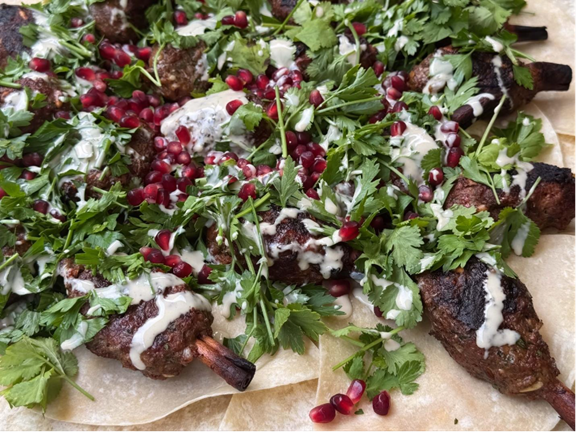
Classic Lamb Burgers offer a clear example of lamb’s everyday appeal. Ground lamb forms patties that stay juicy, cook quickly, and pair easily with simple toppings.
Recipes like this work because they don’t ask cooks to change how they approach dinner. Instead, they slot lamb into familiar formats, making the transition seamless and approachable.
Why Ground Lamb Deserves More Attention
Ground lamb is one of the most underutilized forms of lamb, yet it may be the most versatile. Its richness allows it to stand alone or blend effortlessly with vegetables, grains, and spices.
Common uses include:
- Burgers with minimal seasoning
- Skillet meals with vegetables
- Meatballs for quick dinners or leftovers
- Bowls inspired by global flavors
Because it cooks evenly and absorbs seasoning quickly, ground lamb adapts easily to last-minute meal decisions.
Nutrition That Supports Everyday Eating
Lamb provides high-quality protein along with essential nutrients such as iron and vitamin B12, as noted by the American Lamb Board. These nutrients support energy levels and overall wellness, making lamb a meaningful addition to balanced meals.
Its natural richness also supports portion control. Smaller servings feel satisfying, especially when paired with vegetables or grains. This balance aligns well with modern approaches to everyday nutrition.
Lamb’s Role in Modern Home Kitchens
As cooking habits continue to evolve, proteins that offer both flexibility and flavor become increasingly valuable. Lamb meets those expectations without requiring a complete shift in routine.
Home cooks are looking for ingredients that work across multiple meals, reheat well, and adapt to changing schedules. Lamb fits these needs while offering variety beyond the usual rotation.
Breaking the Cycle of ‘Special Occasion Only’
The biggest shift happens when lamb is used regularly rather than occasionally. Repetition builds familiarity, and trust builds confidence. Over time, lamb becomes just another reliable option rather than a once-in-a-while choice.
This shift changes how meals are planned. Lamb stops being something that requires extra thought and starts being something that fits naturally into weekly cooking.
Why Lamb Deserves a Second Look
Calling lamb underrated isn’t about trend or novelty. It’s about recognizing how well it aligns with the realities of home cooking today. Lamb delivers flavor, flexibility, and nourishment without unnecessary complexity.
By rethinking how lamb fits into everyday meals, home cooks open the door to more variety, more confidence, and more enjoyment at the table.