Balancing Comfort and Nutrition: Where Lamb Fits in a Modern Diet
A constant balancing act shapes modern eating habits, especially when conversations turn to proteins like Superior Farms lamb and how they fit into meals that feel comforting, familiar, and enjoyable while still supporting long-term health and energy. Lamb often gets caught in the middle of this discussion, viewed as indulgent rather than practical. In reality, it fits naturally into a modern diet that values both nourishment and satisfaction, especially when approached with balance and intention.
Rather than being an occasional indulgence, lamb can be a dependable protein that supports everyday eating habits. Its nutritional profile, portion flexibility, and ability to pair with vegetables and whole grains make it well-suited for meals that feel complete without being excessive.
Redefining Comfort Food in Today’s Kitchens
Comfort food has evolved. While it once meant heavy portions and rich sauces, modern comfort food leans toward meals that are warming, flavorful, and grounding without leaving people feeling sluggish. Lamb meets that definition naturally.
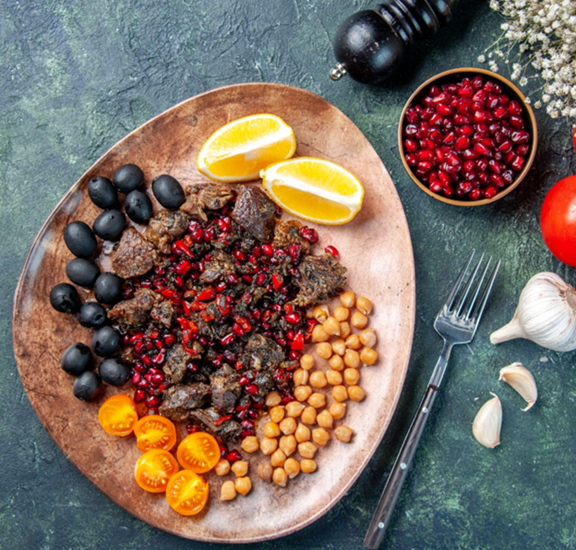
Its richness delivers satisfaction quickly, which means smaller portions can still feel complete. A modest serving of lamb paired with vegetables, grains, or legumes creates a meal that feels comforting while staying balanced. This approach aligns with how many people cook today: fewer extremes, more intention.
Comfort is no longer about quantity alone; it’s about how food makes people feel during and after the meal.
Lamb’s Nutritional Role in Balanced Eating
Lamb provides high-quality protein along with essential nutrients that support daily health. According to information from the American Lamb Board, lamb is a source of iron, zinc, and B vitamins, including B12, which plays a key role in energy production and neurological function.
These nutrients matter because:
- Protein supports muscle maintenance and satiety.
- Iron contributes to oxygen transport and energy levels.
- Zinc supports immune health.
- B vitamins assist with metabolism and cognitive function.
In a modern diet focused on nourishment rather than restriction, lamb offers substance and density without needing large portions.
Portion Awareness Without Sacrifice
One of lamb’s advantages is how naturally it supports portion awareness. Its rich flavor means that smaller servings feel satisfying, reducing the need for oversized plates.
A balanced lamb-based meal often includes:
- A moderate portion of lamb
- A generous serving of vegetables
- A complementary grain or legume
This structure supports fullness while keeping meals grounded in nutritional balance. Instead of relying on volume, lamb relies on flavor and texture to deliver satisfaction.
Pairing Lamb with Whole Foods
Lamb integrates easily with whole, minimally processed ingredients that form the foundation of many modern diets. Vegetables, grains, and legumes not only balance lamb’s richness but also add texture, fiber, and freshness.
Effective pairings include:
- Roasted root vegetables or leafy greens
- Whole grains like farro, brown rice, or barley
- Legumes such as lentils or chickpeas
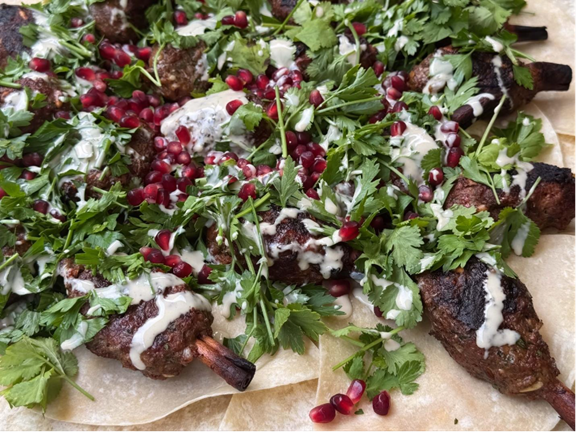
- Yogurt-based sauces or herb-forward dressings
These combinations support digestion and energy while keeping meals visually appealing and satisfying.
Protein Variety and Dietary Flexibility
Many people aim to diversify their protein intake rather than relying on a single source. Lamb fits perfectly into this approach, offering an alternative to chicken, beef, or plant-based proteins without requiring a complete shift in cooking habits.
Rotating lamb into weekly meals:
- Adds variety without increasing complexity
- Prevents meal fatigue
- Encourages experimentation with flavors and sides
This flexibility supports sustainable eating patterns rather than short-term dietary rules.
Lamb and Satiety: Eating Until Satisfied
Meals that include lamb often feel more filling because of the combination of protein and fat. This satiety plays an important role in balanced eating, reducing the urge for constant snacking or overly large portions later in the day.
When meals are satisfying, they support:
- Better portion control
- More consistent energy levels
- Greater enjoyment of food
Rather than chasing fullness through volume, lamb supports satisfaction through quality.
Supporting Active and Busy Lifestyles
For people balancing work, fitness, family, and personal time, meals need to do more than taste good. They need to fuel activity and recovery. Lamb’s nutrient density supports these needs, especially when paired with vegetables and whole grains.
Whether it’s
- A post-workout dinner
- A family meal after a long day
- A weekend reset meal focused on nourishment.
Lamb provides sustained energy without requiring elaborate preparation or planning.
Mindful Cooking Without Overcomplication
Balanced eating doesn’t require perfection. It requires consistency and realism. Lamb supports this approach by working well in simple preparations that don’t demand constant attention.
Mindful cooking with lamb often looks like this:
- Simple seasoning rather than heavy sauces
- Straightforward cooking methods like roasting or pan-searing
- Pairing with vegetables that roast or cook alongside it
This approach keeps meals approachable and repeatable, which is key to long-term habits.
Cultural and Emotional Comfort
Food is emotional as much as it is nutritional. Lamb carries cultural significance across many cuisines and traditions, often associated with gatherings, warmth, and shared meals. Incorporating lamb into everyday cooking can bring a sense of comfort to routine meals.
This emotional connection matters. People are more likely to enjoy, repeat, and share meaningful meals, which reinforces positive relationships with food.
Making Balance Sustainable
The most effective diets are the ones people can maintain.
Lamb supports sustainability by offering:
- Flavor that doesn’t feel restrictive
- Nutrition that supports daily needs
- Flexibility across cooking styles and cuisines
By reframing lamb as a regular, balanced option rather than an occasional indulgence, it becomes easier to maintain healthy, enjoyable eating habits over time.
Where Lamb Fits Moving Forward
As conversations around food continue to shift toward balance rather than extremes, lamb holds a clear place in modern kitchens. It bridges comfort and nutrition, indulgence and intention, and tradition and flexibility.
With thoughtful portions, simple pairings, and realistic preparation, lamb supports meals that feel satisfying without feeling heavy. That balance is what makes it relevant not just today, but as part of long-term, sustainable eating patterns.